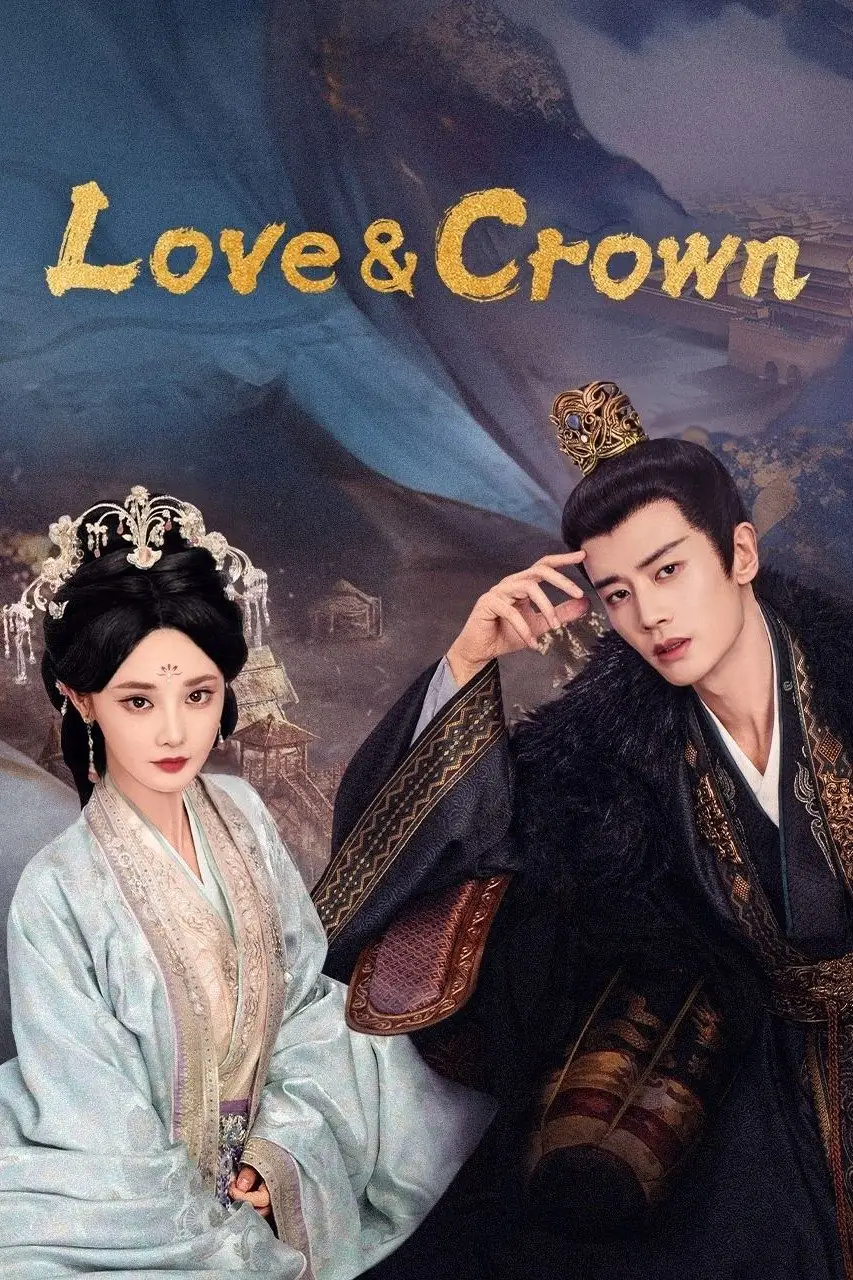
Picture this: you are the young emperor of an entire nation, theoretically holding supreme power, sitting on a throne that symbolizes ultimate authority. In reality, you are about as free as a hamster running on a wheel inside a gilded cage. Your actual control extends approximately as far as the people around you allow it to, which is not very far at all. The Grand Tutor and the Empress Dowager are pulling strings like puppet masters at a marionette show, and you — Emperor Xiao Huan — are supposedly the one in charge while everyone knows you're dancing to tunes composed by others. Frustrating does not begin to cover it.
So what does any reasonable young ruler do when faced with this situation? Obviously, you adopt a secret alias, sneak out of the palace, and infiltrate the life of the one person who might help you reclaim actual power. That person is Ling Cangcang, daughter of the very Grand Tutor who is partly responsible for your current predicament. She also happens to lead something called the Fenglai Pavilion, which sounds mysterious and important and exactly like the kind of organization that could help expose corruption at the highest levels. Perfect ally material, terrible conflict-of-interest situation.
Their partnership begins with deception and necessity, but — because this is a romantic drama and we know how these things work — feelings inevitably complicate the arrangement. Cangcang is brave, righteous, and exactly the kind of person who would inspire loyalty beyond political convenience. When her mentor dies under circumstances that create misunderstandings between them, the emotional damage runs deep enough to survive even their eventual ascension to Emperor and Empress. Watching two people who clearly love each other navigate betrayal, duty, and the weight of crowns they never asked for creates a narrative that is as politically engaging as it is romantically satisfying.
Discover the Full Story →