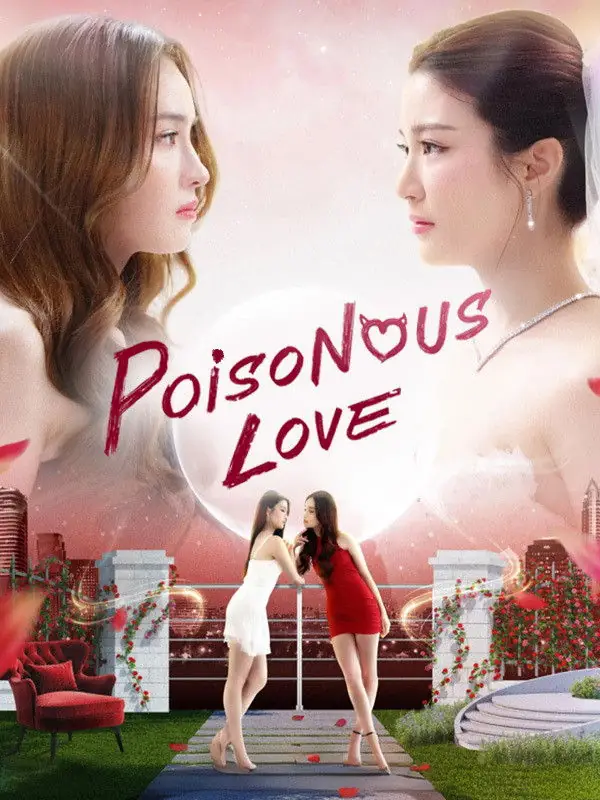
Listen, we've all had friendships that felt unbreakable—those ride-or-die connections where you'd trust the person with your phone passcode, your darkest secrets, and possibly your leftover pizza. Now imagine that friendship is with your twin sister and a woman you consider as close as blood. That's Song-A's world. She's got her twin Hyeon-A, and she's got Se-Na, her best friend who she trusts so completely that she probably would've handed over the keys to her entire life without a second thought. Which, as it turns out, is exactly the problem.
Because Se-Na—the woman Song-A treated like family, defended like family, loved like family—decides to repay all of that loyalty with a betrayal so thorough it practically deserves its own entry in the encyclopedia of human cruelty. We're not talking about a small slight here. This isn't forgetting a birthday or spilling a secret at a dinner party. This is the kind of betrayal that brings down an entire family. Song-A and everyone she loves get pushed into ruin because someone she would have taken a bullet for decided to be the one holding the gun.
What follows is one of the most justified revenge arcs you'll ever watch, and I say that as someone who normally thinks revenge plots are about as productive as screaming into a pillow. But Song-A? Song-A has earned every ounce of her fury. She didn't just lose a friend—she lost her entire sense of trust, her stability, her belief that goodness is rewarded and betrayal is punished. So she picks herself up from the wreckage, brushes off the ashes of her former life, and sets her sights on making Se-Na pay. Not with petty schemes or childish pranks, but with the kind of methodical, determined retribution that only someone who has lost everything can muster.
The show is a fascinating study in how betrayal reshapes a person. The Song-A we meet at the beginning—warm, trusting, generous with her love—is gone. In her place stands someone harder, sharper, more focused, but also more alone. Revenge might be satisfying in the moment, but it demands a toll from the person pursuing it, and watching Song-A navigate that cost is what elevates this from a simple vengeance story into something far more complex. It asks the uncomfortable question: when you've been destroyed by someone you loved, is destroying them back the only way to feel whole again, or does it just make sure that everyone involved ends up broken?
Discover the Full Story →